

NEWS
Off-Grid Solar Inverters Selection Tips for Distributed Photovoltaic Systems
Release Time:
2023-11-22 20:52
Source:
MITSCN
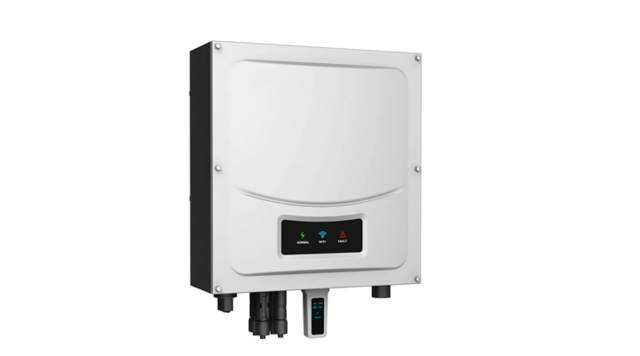
Introduction: Off-grid solar inverters play a pivotal role in standalone solar power systems, enabling the conversion of direct current (DC) from photovoltaic panels into alternating current (AC) for use in remote locations. In this article, we explore the various types of off-grid inverters, delve into the key components that drive their functionality, and provide insights into selecting the right inverter for distributed photovoltaic systems.
Types of Off-Grid Solar Inverters:
-
Stand-Alone Inverters:
- Designed for off-grid applications with no connection to the utility grid.
- Often used in remote areas where grid power is unavailable.
-
Grid-Tie with Battery Backup Inverters:
- Combines the functionality of grid-tie and off-grid inverters.
- Can operate connected to the grid and provide backup power during grid outages.
-
Hybrid Inverters:
- Integrates solar PV, battery storage, and grid connectivity.
- Optimizes energy usage by intelligently managing power sources.
Key Components Explained:
-
DC-AC Inverter:
- Converts the direct current generated by solar panels into usable alternating current.
-
Charge Controller:
- Manages the charging of batteries to prevent overcharging and optimize battery life.
-
Battery Bank:
- Stores excess energy generated during peak sunlight hours for use during periods of low or no sunlight.
-
Transfer Switch:
- Automatically switches between solar power, battery power, and grid power based on system requirements.
-
Monitoring and Control System:
- Provides real-time data on system performance and allows users to monitor and control the inverter remotely.
Selection Tips for Distributed Photovoltaic Systems:
-
System Capacity:
- Determine the total power demand and size the inverter and battery bank accordingly.
-
Inverter Efficiency:
- Choose inverters with high efficiency ratings to maximize energy conversion.
-
Battery Technology:
- Consider the type of batteries compatible with the inverter for optimal storage performance.
-
Scalability:
- Opt for systems that allow for future expansion as energy needs grow.
-
Remote Monitoring:
- Select inverters with robust monitoring capabilities for remote system management.
-
Environmental Considerations:
- Assess the inverter's suitability for the local climate and environmental conditions.
Conclusion: Off-grid solar inverters are integral to the success of distributed photovoltaic systems, offering versatility and resilience in providing power to remote locations. Whether stand-alone, grid-tie with battery backup, or hybrid, the right choice of off-grid inverter depends on specific energy needs and system requirements. By understanding the key components and considering factors such as efficiency, scalability, and monitoring capabilities, individuals and businesses can make informed decisions to harness the full potential of off-grid solar power.

Related News
MESSAGE
QUESTION TO MITSCN
Message
Service Tel:+86-10-64933458
Email:Sales@mitscn.com
Copyright © Beijing MITSCN Co., LTD All rights reserved
